
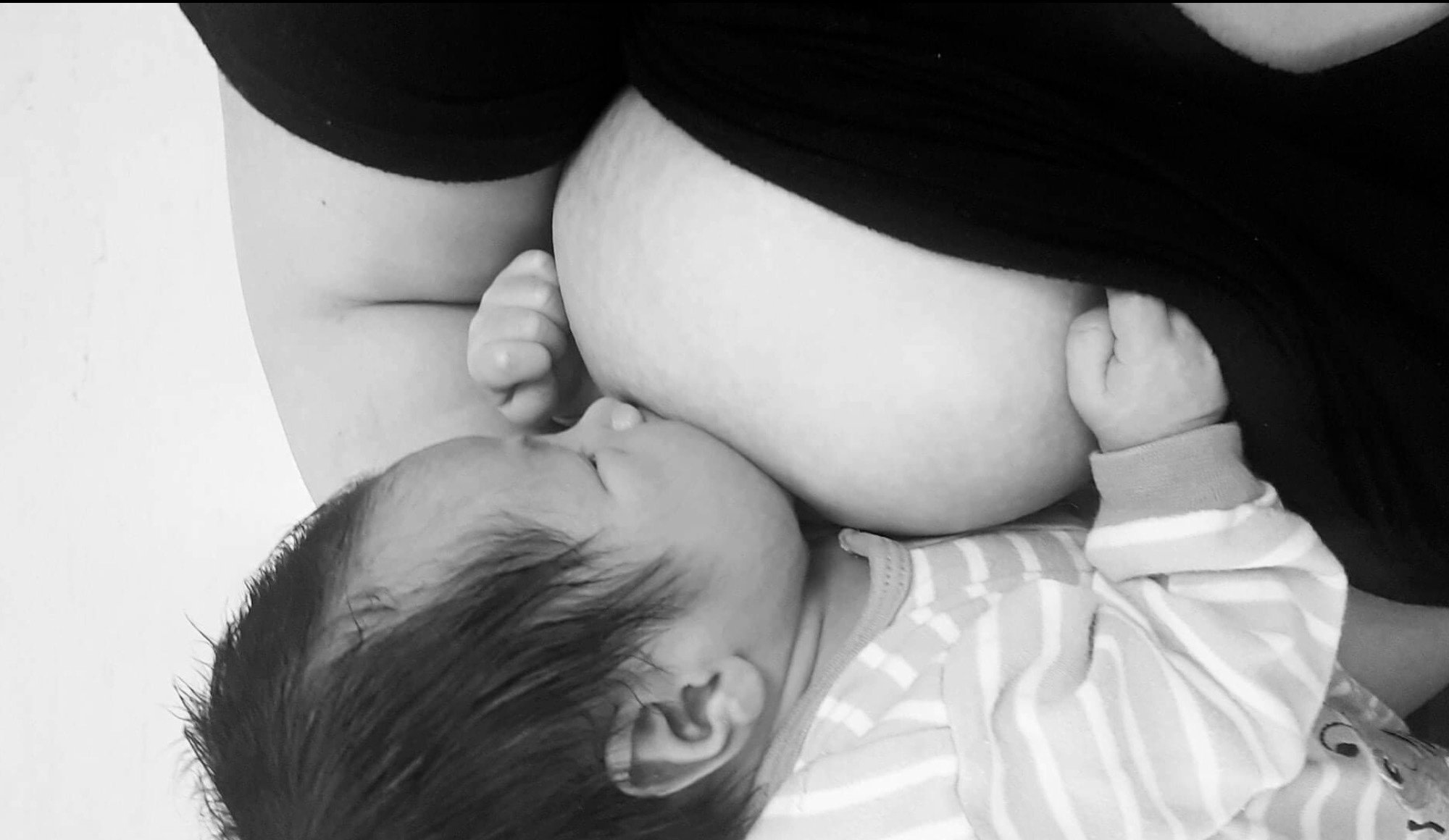
“A collaborative approach is essential for Indigenous women in the city to feel supported in their decisions around infant and young child feeding practices...”
The First Foods Story
Decision-making must consider the larger cultural contexts to offer meaningful impacts on the nutritional health and wellbeing of Indigenous infants during their early development.
Study objectives included:
to engage with the postnatal feeding experiences of Indigenous mothers through the process of digital storytelling;
to discuss the diverse postnatal needs and challenges of families and communities within urban contexts,
and to propose pathways to encourage knowledge mobilization and learning.
Community-based participatory research and digital storytelling methodologies were utilized to enhance Indigenous community capacity and agency, as well as engage with regional and national project partners. Two storytelling workshops visually captured the postnatal experiences of Indigenous mothers within cities in Manitoba and Ontario, Canada. Film screenings and focus groups with care providers took place afterwards along with interviews and sharing circles with mothers. Audio files were transcribed verbatim and thematically analysed.
Twelve Indigenous mothers created short films and participated in interviews and Elder-led sharing circles. Their stories were screened in each location with a total of 20 care providers who later took part in focus groups. Participants shared the importance of cultural safety and social supports through their digital stories and discussed the emotional wellness associated with community cohesion and compassion supporting their infant feeding journeys.
Care providers reflected on barriers unique to cities and existing harms within colonial systems, along with the importance of humility within healthcare moving beyond cultural awareness.
Generations of Indigenous women have delivered their babies with the assistance of midwives and family members, yet little has been published on Indigenous approaches to infant feeding and postnatal care.


Beyond Assimilation
Indigenous postnatal practices must be situated within decision-making processes around Indigenous infant and young child feeding to move beyond policies of assimilation.
“I'm so happy that I get to tell my story, in my way, and no one else’s style, through my video.”
—from Workshop Participant